
Summer Crappie Fishing: How to Catch More Crappie in July and August
Summer Crappie Fishing: How to Catch More Crappie in July and August
Many anglers believe crappie become impossible to catch once summer arrives. While the shallow spring bite disappears, crappie remain highly catchable throughout July and August if anglers adjust to their summer patterns.
Understanding where crappie move during hot weather can lead to some of the most consistent fishing of the year.
Look for Deeper Water
As water temperatures rise, crappie typically move away from shallow spawning areas and relocate to deeper water with more stable temperatures.
Productive summer locations include:
Creek channels
River ledges
Deep brush piles
Standing timber
Bridge pilings
Dock pilings
Main lake points
In many lakes, crappie may hold anywhere from 10 to 25 feet deep depending on water clarity and lake depth.
Find Cover Before Finding Fish
Crappie are structure-oriented fish, especially during the summer months. They often suspend around:
Brush piles
Standing timber
Laydowns
Artificial fish attractors
Deep docks
Bridge structures
Modern electronics make locating these areas much easier, but anglers can also use maps and local knowledge to identify productive cover.
Fish Vertically
Vertical presentations are extremely effective during summer because crappie often hold tightly to cover.
Popular techniques include:
Minnow fishing
Vertical jigging
Single-pole presentations
Hovering over brush piles
Slow presentations around standing timber
Keeping the bait at the same depth as the fish is often more important than lure color.
Early and Late Can Be Excellent
Although crappie can be caught throughout the day, feeding activity often increases during:
Early morning
Late evening
Overcast days
Periods of wind or current
During low-light periods, some fish may move slightly shallower to feed before returning to deeper cover.
Live Bait Still Produces
Minnows remain one of the most reliable summer crappie baits. Small live minnows presented near cover consistently catch fish.
Artificial lures that produce well include:
Small tube jigs
Paddle-tail plastics
Hair jigs
Straight-tail plastics
Natural colors often excel in clear water, while brighter colors can help in stained conditions.
Watch Your Electronics
Summer crappie frequently suspend over deep water. Side imaging, forward-facing sonar, and traditional sonar can help anglers locate schools that may not be associated with visible cover.
Look for:
Suspended fish over channels
Schools around brush piles
Fish positioned on the edges of structure
Baitfish concentrations
Finding fish before making a cast dramatically improves success.
Don't Ignore Docks
Deep docks can provide shade, cover, and cooler water during the hottest months. Crappie often position around dock pilings, cross members, and nearby brush.
Skip jigs or minnows into shaded areas and allow them to fall naturally through the strike zone.
Stay Comfortable and Safe
July and August can produce extreme heat. Always bring:
Plenty of drinking water
Sunscreen
Lightweight clothing
A hat and sunglasses
Life jackets for everyone aboard
Fishing early or late in the day can also help avoid the hottest temperatures.
Final Thoughts
Summer crappie fishing is often about depth, structure, and precision. While the shallow spring bite may be over, crappie continue feeding throughout July and August.
Locate deep cover, fish slowly, pay attention to your electronics, and stay around baitfish. These adjustments can turn the toughest months of the year into some of the most productive.
At Raptor Racks, we know serious crappie anglers often fish multiple rods and spend long days searching for summer schools. Keeping rods organized and ready means more time fishing and less time dealing with tangled equipment.
July and August Catfishing: Summer Patterns That Catch More Catfish
July and August Catfishing: How to Catch More Catfish During the Hottest Months of the Year
When summer temperatures peak in July and August, many anglers assume the catfish bite slows down. The truth is that catfish continue feeding throughout the hottest months, but their location and behavior often change. Understanding where fish move and when they feed can make the difference between a slow day and a cooler full of fish.
Fish During Low-Light Periods
One of the biggest changes during midsummer is feeding activity. Catfish frequently become more active during:
Early morning hours
Late evening
Overnight periods
Before approaching storms
As surface water temperatures rise, many catfish avoid the warmest parts of the day and feed more aggressively during lower-light conditions.
Target Deeper Water During Midday
During hot weather, catfish often hold in deeper areas that provide more stable temperatures and higher oxygen levels. Productive locations include:
River channel edges
Creek channels
Outside bends
Ledges and drop-offs
Deep holes below dams
Main lake channels
Blue catfish commonly suspend or hold along channels, while channel catfish often move between deeper water and nearby feeding flats.
Follow the Bait
Shad and other forage species often determine where catfish will be found. Use your electronics to locate bait schools, especially near:
Creek mouths
Channel intersections
Ledges
Points
Current breaks
If bait is present, catfish are usually nearby.
Current Creates Feeding Opportunities
Moving water is one of the most reliable summer patterns. Current concentrates baitfish and brings oxygen into the water. Productive areas include:
Dam generation areas
River bends
Wing dams
Current seams
Points exposed to wind-generated current
Even slight current can significantly improve the bite during hot weather.
Effective Summer Baits
Reliable summer catfish baits include:
Fresh cut shad
Skipjack herring
Cut bluegill where legal
Chicken breast for channel catfish
Nightcrawlers for smaller channel cats
Prepared baits and stink baits
Fresh bait often produces the best results during the warm-water months.
Don't Ignore Shallow Water at Night
Many anglers are surprised to find large catfish moving shallow after sunset. Flats adjacent to deep water can become feeding areas after dark, sometimes in only a few feet of water.
Look for:
Shallow points
Sand flats
Riprap banks
Areas near creek channels
Big fish frequently move shallow to feed before returning to deeper water during daylight.
Summer Safety Matters
July and August temperatures can be dangerous for anglers. Always bring:
Plenty of drinking water
Sun protection
Lightweight clothing
A life jacket
Proper lighting for night fishing
Heat exhaustion and dehydration can develop quickly during summer fishing trips.
Final Thoughts
Catfish do not stop feeding during July and August. Successful anglers simply adjust to summer patterns by targeting deeper water during the day, fishing low-light periods, following baitfish, and taking advantage of current.
Whether you fish rivers, reservoirs, or lakes, understanding these seasonal movements can help you catch more catfish all summer long.
At Raptor Racks, we know serious anglers spend countless hours chasing catfish during the hottest months of the year. Keeping rods organized and ready means more time fishing and less time untangling gear when the bite turns on.
How to Catch Slab Crappie: Tips, Tactics, and Secrets for Bigger Fish.
For many anglers, few things compare to the excitement of catching a true “slab” crappie. Big crappie are aggressive, fun to catch, and some of the best eating fish in freshwater. Whether you’re spider rigging open water, shooting docks, or vertical jigging brush piles, targeting trophy crappie requires strategy, patience, and understanding fish behavior.
If you’re ready to fill the livewell with giant slabs, these tips will help put more fish in the boat.
What Is a “Slab” Crappie?
A slab crappie is simply a large crappie — thick-bodied, heavy fish that stand out from average keeper sizes. Depending on the lake or region, slab crappie usually range:
12–16 inches
1.5–3+ pounds
These fish are older, smarter, and often relate to specific structure and feeding patterns.
Best Places to Find Big Crappie
Slab crappie love cover and structure. The key is finding areas that hold baitfish and provide protection.
Top crappie locations include:
Brush piles
Standing timber
Boat docks
Laydowns
Bridge pilings
Creek channels
Deep ledges
Electronics and forward-facing sonar have completely changed modern crappie fishing. Locating suspended fish around structure can dramatically improve success rates.
Seasonal Patterns for Catching Slab Crappie
Spring Spawn
Spring is prime time for giant crappie.
As water temperatures rise, crappie move shallow to spawn around:
Stumps
Brush
Docks
Shallow timber
During this period, anglers can catch some of the biggest fish of the year in shallow water.
Summer Crappie Fishing
After the spawn, crappie move deeper and suspend around:
Brush piles
Thermoclines
Deep docks
Standing timber
Slow presentations become critical during hot weather.
Fall Feeding Frenzy
Fall is one of the best times to catch numbers AND quality fish.
Crappie aggressively feed on baitfish before winter and often school heavily in creek channels and open water.
Winter Crappie
Cold-water crappie often stack tightly in deep brush and timber. Vertical jigging slowly can produce incredible winter fishing.
Best Baits for Slab Crappie
Live Minnows
Live minnows remain one of the most effective crappie baits ever.
Why they work:
Natural action
Strong scent
Effective year-round
Big crappie often struggle to ignore lively bait presented slowly around cover.
Soft Plastic Jigs
Modern crappie plastics catch giant fish consistently.
Popular styles include:
Paddle tails
Tube jigs
Curly tail grubs
Hand-tied jigs
Top colors often include:
Chartreuse
White
Monkey milk
Pink/white
Blue/black
Sometimes color matters more than size.
Best Techniques for Catching Slabs
Dock Shooting
Dock shooting allows anglers to skip lightweight jigs deep under docks where big crappie hide from pressure and sunlight.
This technique is deadly during:
Summer
High-pressure conditions
Bright sunny days
Vertical Jigging
One of the best methods for targeting brush pile crappie.
The key:
Stay directly over structure
Use electronics carefully
Present bait slowly
Often the biggest fish sit tight to cover.
Spider Rigging
Spider rigging covers large areas using multiple rods spread across the front of the boat.
This technique excels for:
Suspended crappie
Open water fish
Locating schools quickly
Slow trolling live minnows or jigs can produce huge numbers of fish.
Best Gear for Crappie Fishing
A quality setup makes a huge difference.
Recommended gear:
Lightweight spinning rods
Sensitive rod tips
4–8 lb line
Small jig heads
Long poles for vertical fishing
Sensitivity is critical because crappie bites can be extremely subtle.
Tips for Catching Bigger Crappie
Fish Slower
Big crappie rarely chase fast-moving baits for long distances.
Slow presentations usually outperform aggressive retrieves.
Target Isolated Structure
A single brush pile or isolated dock can hold giant fish that other anglers overlook.
Use Electronics
Modern sonar helps anglers:
Locate suspended schools
Identify brush piles
Watch fish react to bait
Technology has become a massive advantage in crappie fishing.
Don’t Ignore Weather Changes
Crappie feeding behavior often improves:
Before storms
During stable weather
Low-light periods
Slight wind conditions
Cloud cover can push fish shallower and increase activity.
Why Crappie Fishing Is So Addictive
Crappie fishing combines strategy, precision, and nonstop action. One minute you’re scanning brush piles, and the next your rod is doubled over with a giant slab trying to dive back into cover.
Whether you’re chasing springtime giants or stacking limits in deep timber, crappie fishing creates memories that keep anglers coming back season after season.
And when it’s time to organize your gear and rods, trust Raptor Racks to keep your setup secure, organized, and ready for the next trip on the water.
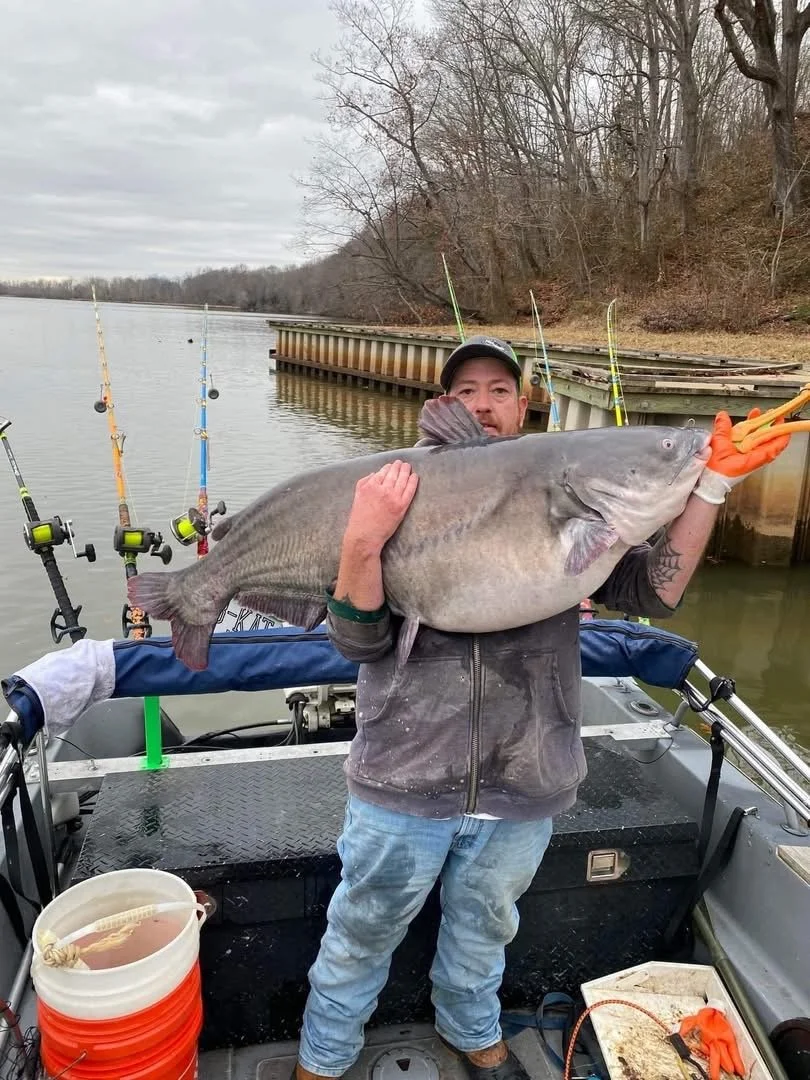
Catfish Facts & Proven Tips for Catching Giant Catfish.
Few freshwater fish create the kind of adrenaline rush that a giant catfish does. Whether you’re targeting monster Blue Cats, aggressive Flatheads, or channel cats loaded into river bends, catfishing is one of the most exciting and rewarding styles of fishing in America. Big catfish are powerful, smart, and built for battle — and once you hook into a trophy fish, you’ll understand why catfish anglers become obsessed.
Catfish Facts Every Angler Should Know
1. Catfish Can Grow MASSIVE
Some Blue Catfish can exceed 100 pounds and live for decades. Flathead Catfish regularly push 50+ pounds in major river systems and reservoirs. These fish are apex freshwater predators.
2. Catfish Have Incredible Senses
Catfish don’t rely heavily on sight. Instead, they use:
Sensitive barbels (“whiskers”)
Smell receptors across their body
Vibration detection through their lateral line
This allows them to locate bait in muddy water, at night, and in heavy current.
3. Bigger Catfish Prefer Bigger Meals
Small catfish may scavenge almost anything, but trophy fish usually target larger prey like:
Shad
Skipjack
Bluegill
Perch
Live baitfish
Big fish want high-calorie meals worth chasing.
4. Catfish Love Structure
Monster catfish commonly hold around:
River bends
Deep holes
Timber
Rock ledges
Bridge pilings
Current seams
Structure gives them cover while they wait to ambush prey.
5. Night Fishing Can Be Incredible
Large catfish often feed aggressively after dark, especially during warmer months. Reduced boat traffic and cooler water temperatures can trigger feeding activity.
Best Tips for Catching Big Catfish
Use Fresh Cut Bait
Fresh bait outfishes old bait almost every time.
Top choices include:
Threadfin Shad
Gizzard Shad
Skipjack Herring
Bluegill (where legal)
White Perch
Fresh oily bait creates a strong scent trail that giant catfish can track from long distances.
Fish Deep Water During the Day
During daylight hours, big catfish often stay in:
Deep channels
Holes near current
Ledges
Drop-offs
Use sonar to locate bait schools and depth changes. Trophy catfish are rarely random — they position where food naturally funnels to them.
Target Current Breaks
Current is one of the biggest keys to river catfishing.
Big catfish love areas where they can conserve energy while waiting on food to drift past:
Eddy lines
Creek mouths
Sandbar edges
Wing dams
Log jams
If you find moving water with structure nearby, you’re in business.
Upgrade Your Gear
Giant catfish can destroy weak setups.
A solid trophy setup includes:
Heavy-action rod
Strong baitcasting reel
50–80 lb braided line
Circle hooks
Heavy sinkers for current
Strong gear helps you control fish quickly and safely.
Learn Seasonal Patterns
Spring
Catfish move shallow and feed aggressively before spawning.
Summer
Night fishing becomes excellent. Focus on structure and current.
Fall
Big catfish feed heavily to prepare for winter — one of the best trophy seasons.
Winter
Slow presentations in deep holes can still produce giant fish.
Understanding seasonal movement patterns dramatically increases success.
Patience Matters
Trophy catfishing is different from numbers fishing. Some days may only produce one or two bites — but those bites could be fish of a lifetime.
Serious catfish anglers focus on:
Better locations
Bigger bait
Prime feeding windows
Consistency
Best Times to Catch Big Catfish
Many experienced anglers prefer:
Early morning
Evening
Overnight
Before storms
During current generation on dams
Pay attention to water movement and weather changes. Big catfish often feed aggressively when conditions shift.
Final Thoughts
Catching giant catfish isn’t luck — it’s preparation, patience, and understanding fish behavior. The anglers who consistently land trophy fish are the ones who study structure, fish quality bait, and spend time on the water learning patterns.
Whether you’re drifting rivers, anchoring ledges, or chasing nighttime bites under the stars, catfishing offers some of the most intense freshwater action available.
And when that rod doubles over and the drag starts screaming… you’ll know exactly why catfish fishing becomes an addiction.
Tight lines from the team at Raptor Racks.